
Community
Learning to Belong

For much of my life, I viewed independence as a sign of strength.
Early on, I learned to get by on my own, adapt to new situations, and take responsibility without relying much on others. Independence gave me a sense of stability and control. It also helped me learn who I was.
But independence also changed how I connected with others. I got used to keeping some distance—not because I wanted to, but because it became a habit. Self-sufficiency became my normal way of life.
It took me a long time to realize that something was missing.
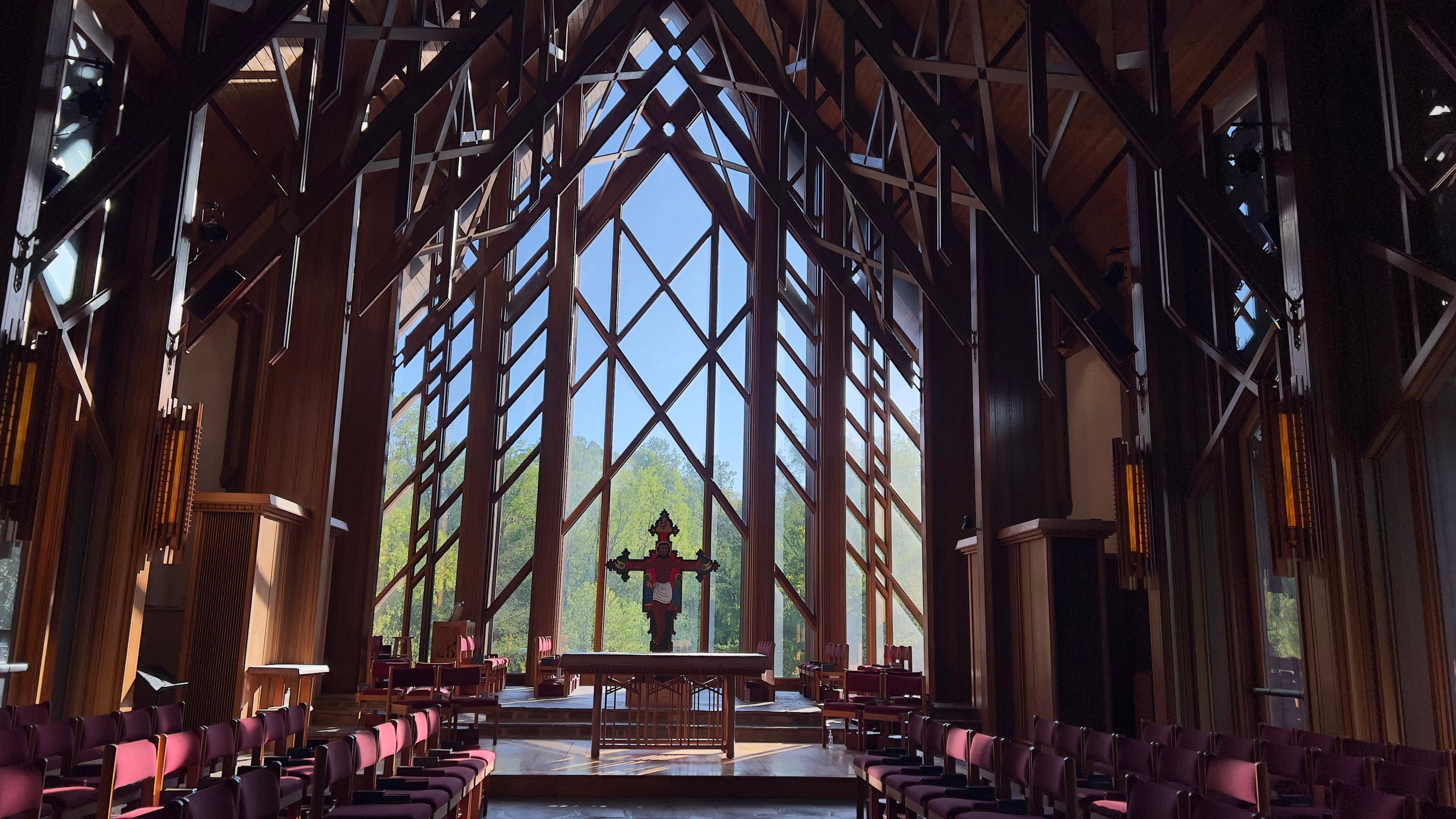
Since coming to seminary, I’ve started to see life differently—not just in terms of independence, but in terms of community.
I didn’t understand this right away, and I’m still learning. Sometimes it’s slow. I remember one of my first gatherings with my seminary group. I sat on the edge of the common room, surrounded by conversation yet not really part of it. I felt like an observer—there, but not connected. Things shifted when a classmate invited me to a small prayer circle later that week. Instead of just being in the room, I began to join in—sharing concerns, listening, and praying together. That simple step showed me the difference between being present and truly belonging. Seminary has taught me that community isn’t just about being near people. It’s about belonging, taking part, and growing together.
This realization feels especially important as I consider my calling.
As I prepare for the priesthood, I know how important community is. Parish life depends on it. A priest’s work isn’t done from a distance; it happens through relationships, shared worship, care for others, and daily presence. A priest isn’t meant to stand apart from the community but to live in it—shaped by it as much as shaping it.
In this sense, seminary is more than just studying theology. It’s shaping how I live. It’s teaching me how to truly be part of a community, not just work in one.
Looking back, I see how my earlier experiences have shaped the way I relate to community.
Before college, I sometimes felt like an outsider—what I might now call a kind of spiritual orphanhood. Not in a literal sense, but in feeling disconnected or unsure of where I truly belonged.
When these things happen early in life, they leave a mark. Independence becomes more than a skill—it becomes a form of protection. It helps you move forward without relying too heavily on others.
But it also means that learning to be part of a community later on takes some getting used to.
I’ve learned that you can’t force belonging by trying hard. It’s something you receive, often slowly and with some uncertainty. What helped me was saying yes to small invitations, even when I felt unsure. Just showing up—whether for a meal, a prayer, or a quick chat—became a way to practice openness. Over time, even small steps made space for a real connection to grow.
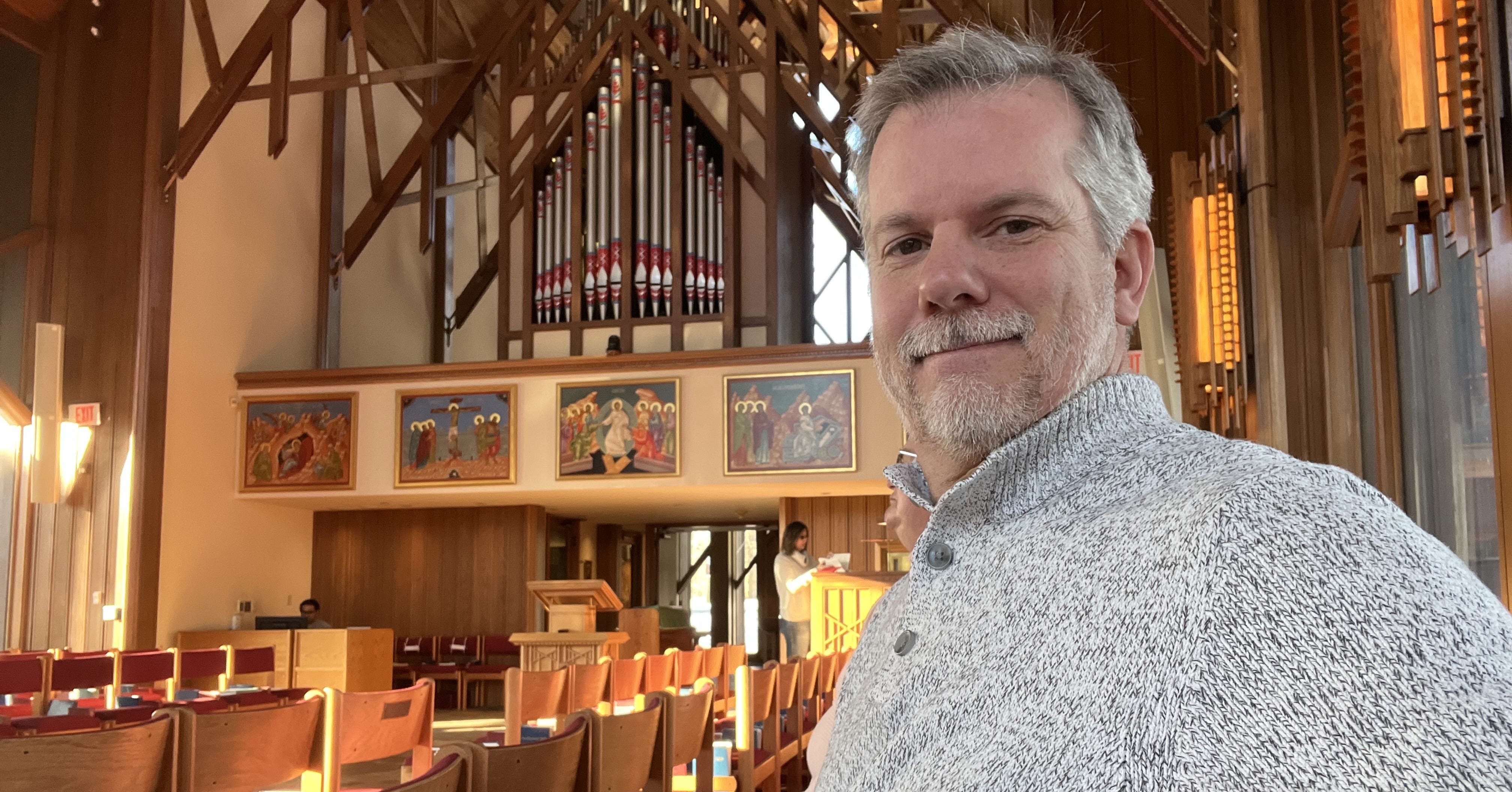
One of the biggest changes in how I see community has been my daily practice of Morning Prayer.
At first, it might seem personal. It’s usually quiet, structured, and sometimes done alone. But over time, I realized it’s not really a solitary practice.
The Daily Office is inherently about community. The same psalms, readings, and prayers are recited in many places and at many times. Even when I’m alone, I’m part of something bigger. I’m joining a rhythm that belongs to the wider Church.
Realizing this has changed how I view prayer.
It’s no longer just my prayer; it’s our prayer.
Morning Prayer has also brought a different pace to the community. It’s not about always being busy or socializing. Instead, it’s about being consistent, attentive, and present. I remember one morning early in the semester when a group of us gathered in the quiet chapel as the sun rose. There was a gentle silence between prayers, and I felt a sense of unity simply by being together in that sacred space, as we started the day with a shared purpose. In those moments, I saw that community can form not only through talking but also through shared rituals and simply being together. This taught me a quieter kind of belonging that grows with steady participation. Through this rhythm, I’m learning that I don’t have to force community. It’s something I can step into, one day at a time.
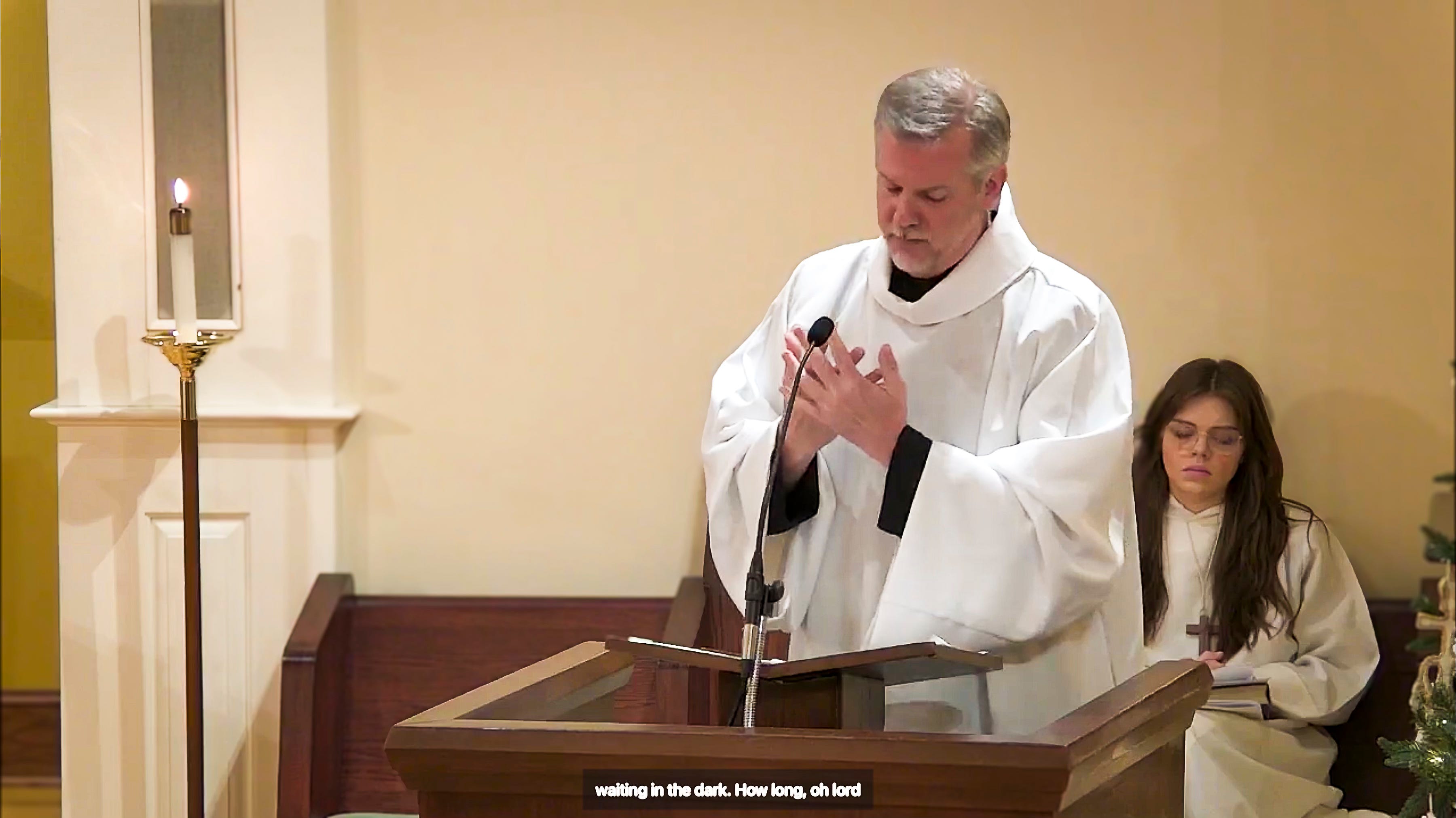
Another part of this learning has come from reflecting on hospitality.
In Christian tradition, especially in the teaching of Saint Benedict of Nursia, hospitality isn’t just about being friendly. It’s a practice of welcoming others with care and respect. Hospitality goes beyond simple politeness. It means recognizing the presence and dignity of others, even when they are unfamiliar or different. It calls for more than friendliness; it calls for openness.
In practice, this isn’t always easy. Community can feel uncomfortable. It means meeting people with different backgrounds, perspectives, and experiences. It takes patience and sometimes a willingness to stay present even when things are unclear. I remember a group discussion that grew tense when someone shared a view of ministry that was very different from mine. I felt misunderstood and uneasy, unsure whether to speak up or pull back. Instead of withdrawing, I chose to stay engaged by listening and asking questions, even though it was hard. Later, I spoke privately with one of the group members to share my feelings and hear more about their view. That conversation didn’t erase our differences, but it let us both feel heard and respected. It showed me that real community takes courage to work through tough moments together.
But this is also what makes community meaningful. It’s not built on everyone being the same, but on choosing to stay connected even when we’re different.
I’m starting to notice a tension between maintaining my identity and being open to others.
Being part of a community doesn’t mean losing yourself. You don’t have to give up your beliefs or your sense of identity. In fact, a healthy community needs people who know who they are.
At the same time, being grounded needs to go hand in hand with openness. Without openness, community can become closed off and isolated.
The challenge isn’t choosing one over the other but learning to hold both at once—staying grounded while remaining open to others.
This balance doesn’t come naturally. It’s something you learn, often slowly, through experience. I know many of my classmates are navigating the same tension, trying to stay true to themselves while remaining open to others. If you’re on this journey too, I want to encourage you—you’re not alone. As we all try to hold onto both our roots and openness, we help create a space where real growth is possible, not just for ourselves but for the whole community we’re building.
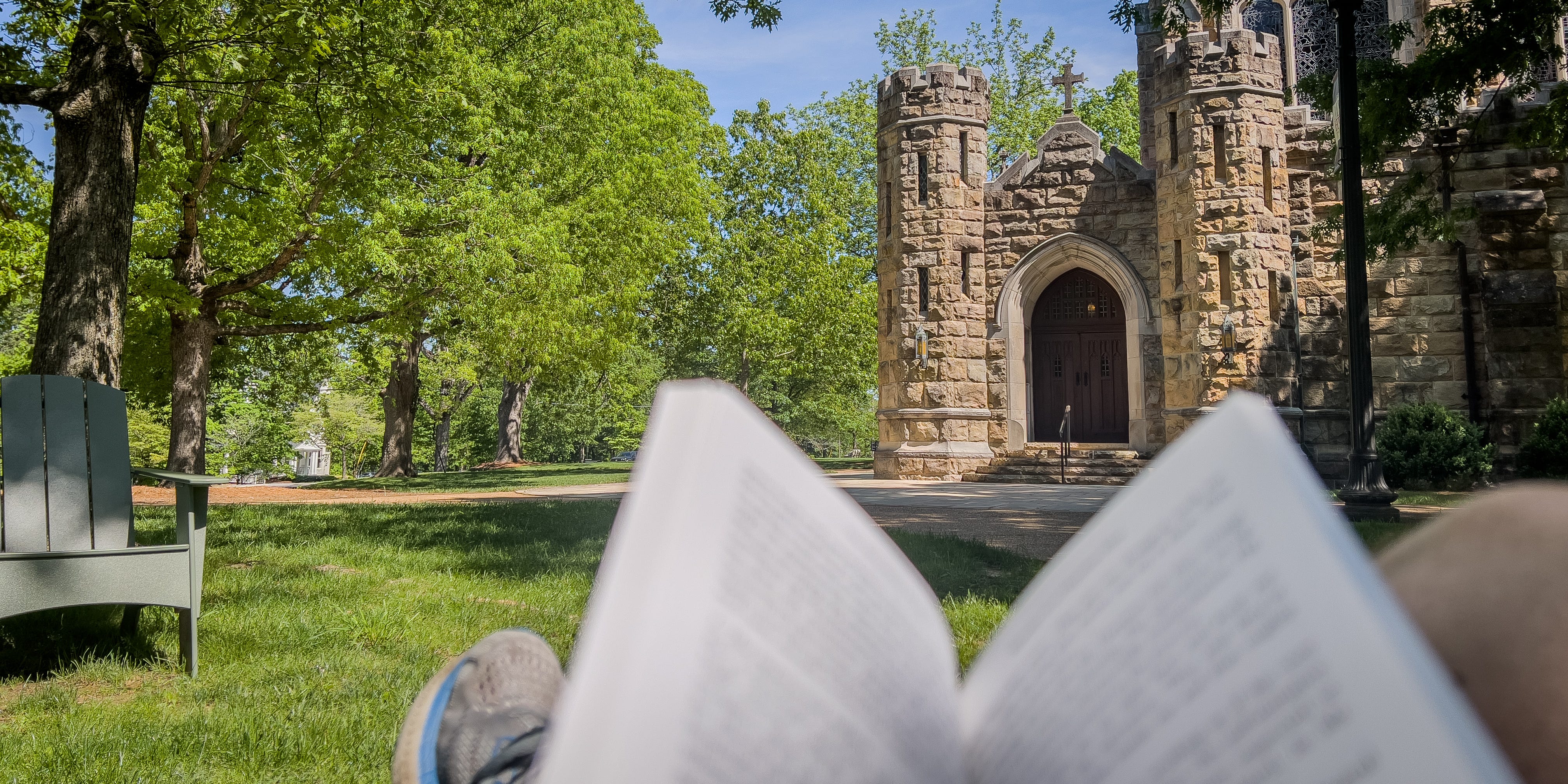
I’m learning that moving from independence to community doesn’t mean giving up independence entirely. Instead, it’s about seeing it as part of a bigger picture.
Independence still matters, but it’s no longer the primary goal.
Instead, independence leads to interdependence. That means recognizing that life is shared, growth occurs in relationships, and belonging involves both giving and receiving.
This isn’t always easy to accept, especially for someone who’s spent much of their life learning to stand alone. I’m starting to see that something essential lies in this shift.
I’m still learning what belonging means.
Sometimes it feels natural, and other times it feels unfamiliar. There are moments when I notice growth and moments when I realize how much I still have to learn.
What I do know is that community isn’t just an add-on to the Christian life. It’s at the center of it.
It’s where formation happens.
It’s where relationships are shaped.
It’s where faith becomes something lived, not merely something understood.
For me, this time in seminary has become a place where that learning is starting to take root. It’s not happening all at once, but it’s steady and growing clearer over time.