
Shaped for Discipleship
Whether through sound or silence, touch or vision, God shapes us into people of grace.

The lectionary this week (Jeremiah 18:1-11; Psalm 139:1-5, 12-17; Philemon 1-21; Luke 14:25-33) speaks with one steady voice: God is in the business of reshaping lives.
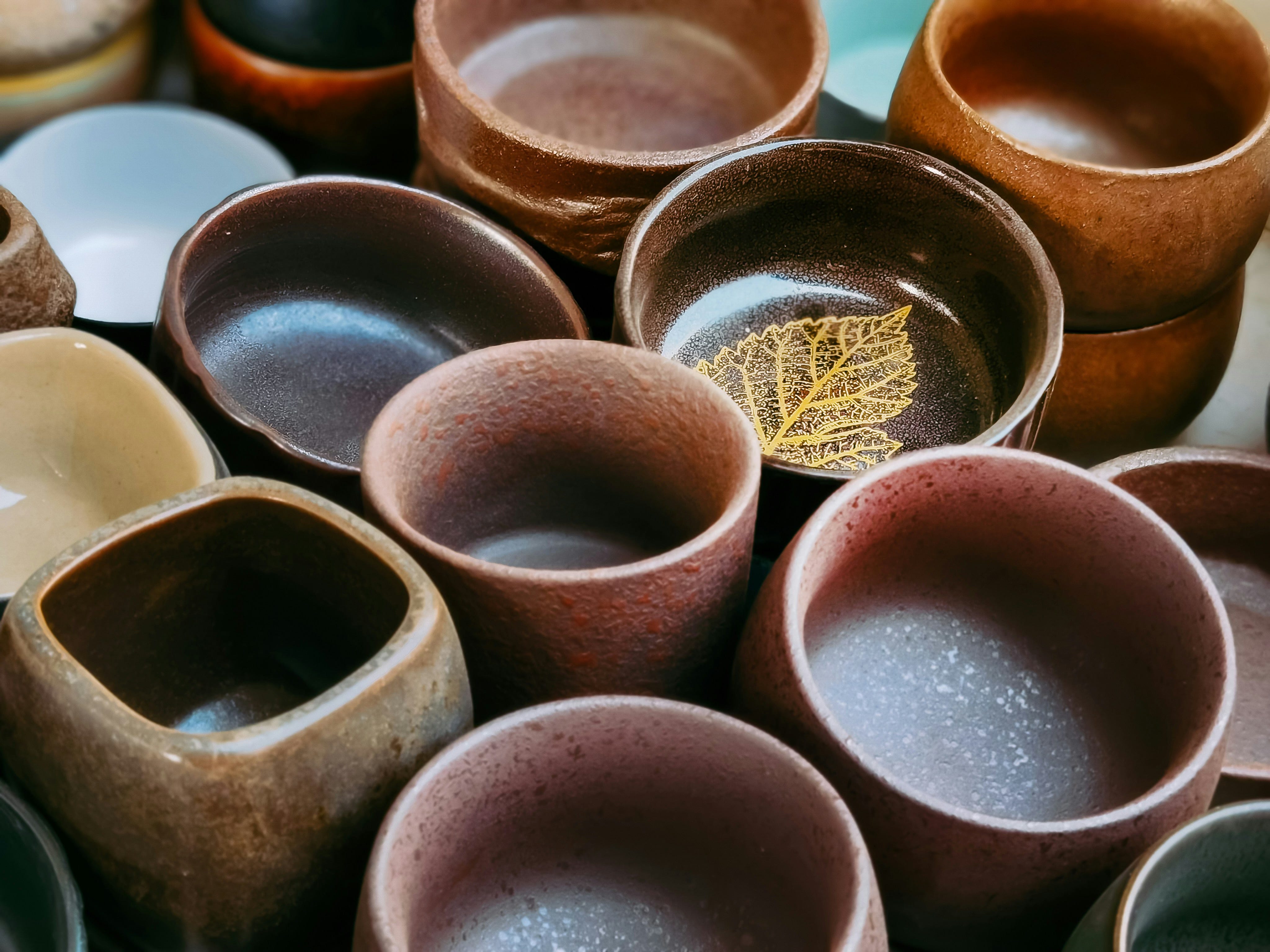
Jeremiah takes us to the Potter's house, where clay turns on the wheel. Clay doesn't argue with the Potter, yet how often do I find myself resisting God's hands? Jeremiah's image is both unsettling and hopeful — God won't discard the clay, but He might press it down and start over. That reshaping can hurt, but it's always done with the Potter's steady touch, a touch that reassures us of His unwavering love and care.
Psalm 139 offers a different perspective. Instead of being shaped from clay, we are woven together in love, each thread intentionally chosen by God's design. This reflects the Incarnation in its early form: God takes pleasure in bodies, not just souls. He understands our structure, senses, and limitations, yet still affirms that we are wonderfully made. The God who created us is the same God who entered flesh in Jesus Christ — demonstrating that discipleship is always embodied.
Paul's short letter to Philemon shows how this transformation happens within a community. Onesimus was a slave; Paul dares to call him "a beloved brother." In a world built on hierarchy and ownership, Paul asks Philemon to see with new eyes. That is true accessibility — not just ramps or interpreters (though those are important), but the Gospel's deeper work of breaking down barriers so no one is excluded from belonging. This inclusiveness of God's love makes us all feel accepted and valued, no matter our past or social status.
And then comes Jesus in Luke's Gospel, with a word that cuts straight to the core: 'Count the cost.' Following Him isn't about adding a little religion to our lives. It's surrender. It's carrying the cross. It's being broken and remade through the power of His love. The cross is the wheel where God takes our cracked vessels and reshapes them into something new, a process that fills us with hope and inspiration for the future.
These readings make me pause and ask myself:
Where am I, like stiff clay in God's hands?
Which relationships need to be reshaped by Christ's love?
Am I truly willing to be transformed, even if it costs me everything I believe I cherish?
I recall a season not too long ago when God's reshaping felt especially real. After twenty-six years away from school, I found myself stepping back into the classroom as a seminarian. I carried all kinds of questions: Was I too old for this? Could I keep up with the pace of academic life? What if my deafness made me stand out in ways that felt isolating? I felt like stubborn clay on the wheel, unsure if I could be molded again.
But gradually, through professors who encouraged me, classmates who became friends, and quiet moments where God's presence embraced me, I realized I was being reshaped. I noticed it especially during worship. Sometimes at Evensong, I would take off my cochlear implant to sit in silence. The music still moved me, not through sound but through the vibrations in the walls, the movement of the choir, and the way the entire chapel seemed to breathe. In those moments, I learned that God reshapes us not only through what we hear but also through what we see and feel. The Potter doesn't just work with one kind of clay — He uses all the textures of our lives.
Here's the good news: God never leaves the clay unattended. The Potter's hands are steady, the shaping is done with love, and the vessel He forms is for His purposes. Whether we approach Him through sound or silence, touch or vision, the invitation remains the same: to be reshaped for discipleship.
And maybe that's the core of my current project: to explore how accessibility isn't an afterthought but integral to the Gospel itself. Discipleship transforms us to recognize that God is already accessible — in Christ, in creation, in community — if only we are willing to be reshaped enough to notice.