
The Table
A Reflection on Memory, Faith, and Calling

Today would have been my grandmother Nonnie’s birthday—a day to celebrate her life, her love, and the countless ways she shaped who I am. Nonnie wasn’t just a grandmother; she was a source of warmth, wisdom, and grace. Her presence at the family table was a constant reminder of the power of love, faith, and togetherness.
In her honor, I’m sharing this reflection on the sacredness of the table—a place that held so much meaning in her life and in mine. Nonnie’s legacy lives on in the simple, sacred act of gathering around a meal. This blog is dedicated to her memory and the deep spiritual truths she unknowingly passed down through her love and example.
- Jason
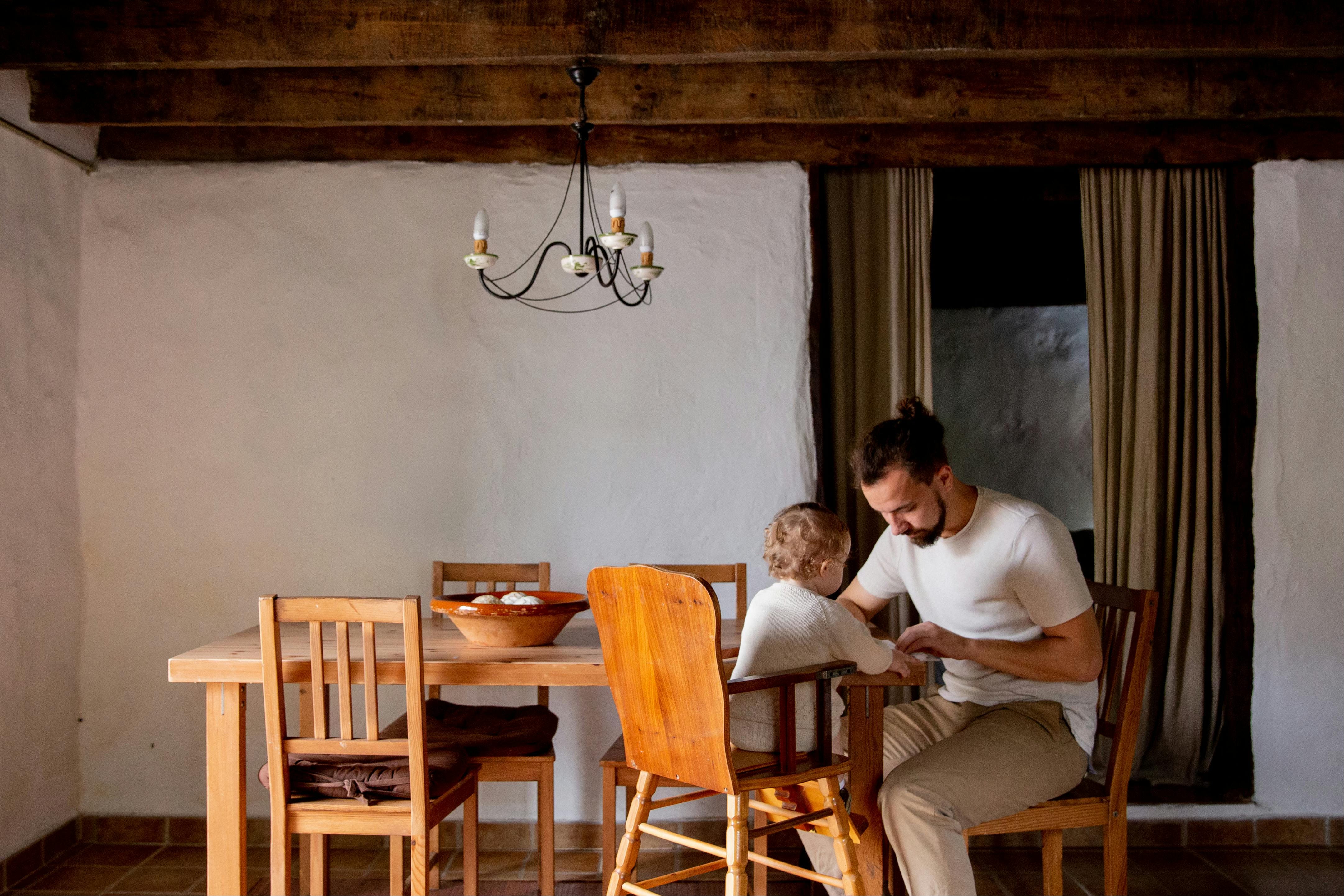
Have you ever been doing something ordinary when, suddenly, a vivid memory from your childhood surfaces? A flashback so intense it feels like time itself has folded, connecting you to a moment long past?
That happened to me while reading a chapter in a book about the Body by an author of Black liturgies1. In an instant, my earliest memory came rushing back—barely two years old, sitting at a dining table. It wasn’t a child’s table or a makeshift setup, but the family table, where high chairs sat next to adults. I can’t recall the faces around me or who was there, but something about the table stayed with me. It was likely before my life changed before I lost my hearing.
Years later, in kindergarten—a time I knew mostly as “speech therapy school”—I once helped set the cafeteria tables for my classmates. As I placed each plate and utensil, an unexpected sensation washed over me. It felt like déjà vu but more profound and significant, as though the moment was part of something I couldn’t fully grasp. It passed quickly, and I moved on, too young to linger on what it meant.
Throughout my childhood, setting the table became a small but meaningful ritual. My mom or Nonnie, my maternal grandmother, often asked me to help while they cooked. Every time, the same feeling would return—a mix of joy and sorrow that made me want to laugh and cry simultaneously. It felt like God’s presence, like warmth and love, filling the room in a way I couldn’t explain. Nonnie had a gift for creating spaces of belonging and care; those moments around her table are some of my most treasured memories. Though she is no longer with us, her love continues to shape my understanding of hospitality and grace. In her honor, every table I set feels like a tribute to the sacred act of gathering and sharing—a tradition she instilled in me with such tenderness and devotion.
Over time, I began to see it as more than just a task—it became a prayer, a moment of quiet acceptance. It was as if the act of preparing the table invited love, compassion, and blessings into the space before the meal even began. In many ways, it mirrored the early Christian community, described in Acts 2:42 (NRSVue): "They devoted themselves to the apostles’ teaching and fellowship, to the breaking of bread and the prayers." Each time I set the table, I felt part of that sacred rhythm—a gathering, a prayer, a communion of hearts.
One day, as a teenager, I decided to prepare a meal for my family. As I set the table, the feeling came back stronger than ever. I asked myself, “Is this my calling? Am I meant to set tables at a restaurant or serve others at the community charity somehow?” Almost instantly, my heart responded: “Wait for the Lord. Your time will come.”

But waiting was hard. It scared me. Trusting in Jesus to guide me on a path meant only for us felt heavy, as faith often does. When I was about to graduate high school and had been accepted to a community college an hour away, the weight of the unknown overwhelmed me. One Sunday afternoon at our family table, I broke down in tears. My mom comforted me, trying to understand what I was going through. I couldn’t bring myself to explain the feelings I had while setting the table. It felt too abstract, too sacred to put into words.
Over time, setting the table became more than a duty. It became a ritual, a moment of devotion. During the pandemic, when the world felt like it was unraveling, I asked God again what it all meant. This time, an image filled my heart—not something I saw with my eyes but a vision that the Holy Spirit gave me.
I saw a table bathed in light, Jesus seated at its center. His radiance wasn’t blinding but soothing, like a warm sunrise. On the table were the Bread and the Cup, symbols of His body and blood. He lifted them to give thanks, and the meal became holy. At that moment, I understood. This was the Table of Christ—a place of nourishment for the soul, a reminder of God’s love, and a call to unity.
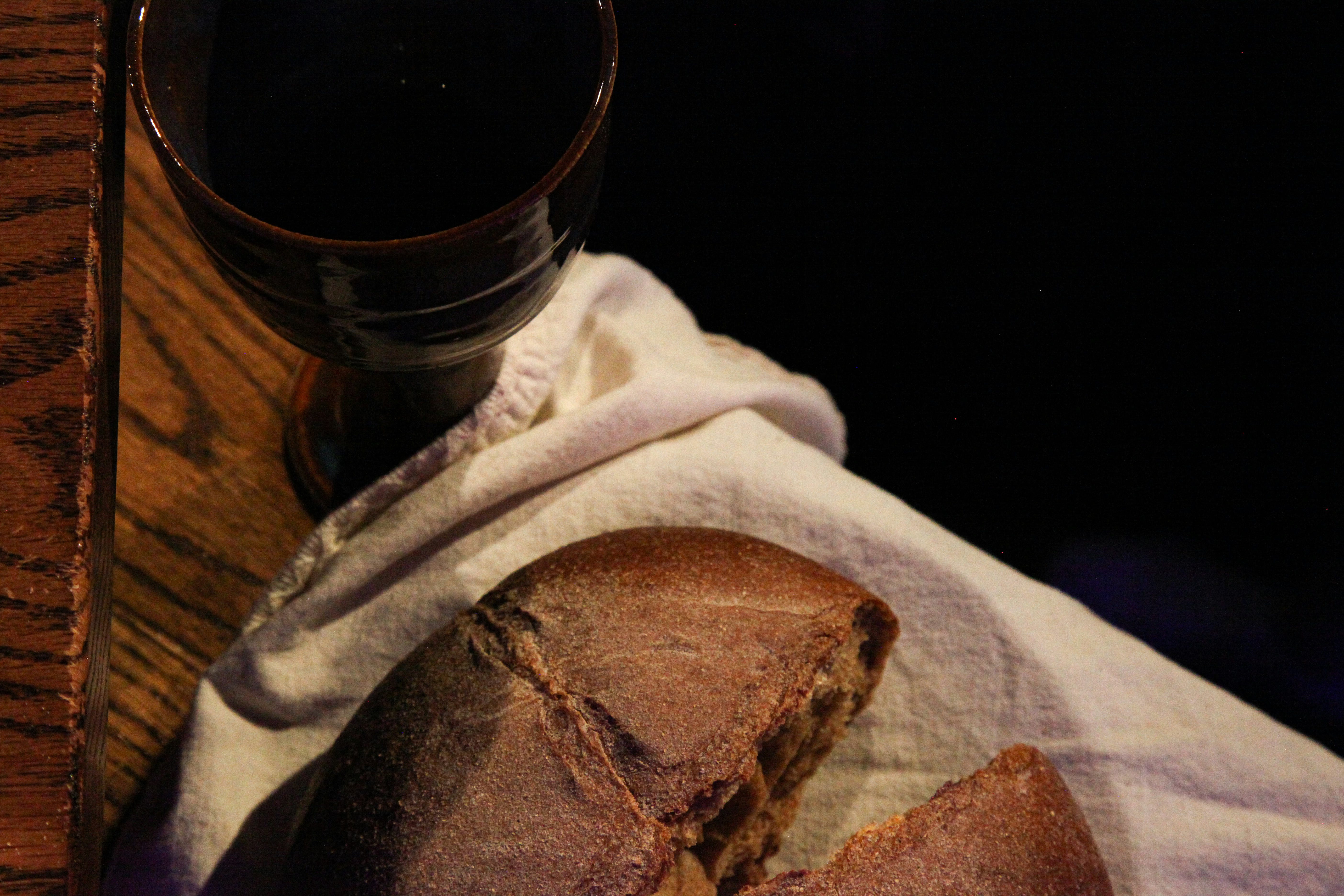
In the time of the Apostles, after Christ’s resurrection, the table was holy because of its simplicity and purpose. It was where they shared a meal, remembered Him, and renewed their faith. Acts 2:46 (NRSVue) paints a beautiful picture: "Day by day, as they spent much time together in the temple, they broke bread at home and ate their food with glad and generous hearts." I believe this tradition still calls to us today—to see the tables in our homes, not just the altar in a church, as sacred spaces. The table is where we gather, where we give thanks, and where we meet God in the ordinary rhythms of life.
I have shared all the visions of the table with my long-time spiritual guidance of twenty-five years. He pointed out that I may have reached the climax of my calling and recommended consulting with Bishop Brain Saege for additional direction. Not only was the table sensation the culprit, but multiple callings compounded into Christ's mission.
In late 2022, I participated in a discernment program at both local and diocese levels and became part of the Altar Guild at my parish, and I noticed something curious. The feeling I experienced at family tables didn’t come when I prepared the altar for the Eucharist service. The altar, while undeniably sacred, carried a different kind of significance. It was a place of confession, forgiveness, and sacrament—a space where bread and wine are transformed into the body and blood of Christ, offered to us for the forgiveness of sins and the renewal of our spirits.
Yet, over time, I realized that the church altar had become more of an institution—revered and formal but somewhat removed from the simplicity and intimacy of the table where Christ first broke bread with His disciples more than 2000 years ago. That table was a gathering place, a space of communal love and fellowship, reminding us that Christ’s gift is meant to be shared in both sacred liturgy and everyday life.
Anytime I set the table these days, I remember that vision of Christ, His light, and His love. It reminds me that holiness isn’t confined to altars or pews. It’s found in every moment of gratitude, every act of service, and every shared meal. The Table of Christ is everywhere, inviting us to sit, to share, and to remember.
The Table. Table of Christ.
Let Us Pray
Gracious and loving God, we give thanks for the sacred spaces where we gather—around altars, in sanctuaries, and at tables in our homes. Bless the work of our hands as we prepare these places for fellowship, nourishment, and remembrance. May every meal be a reflection of Your love, every gathering a reminder of Your presence. Guide us to live as faithful stewards of Your gifts, sharing bread and blessings with glad and sincere hearts. Strengthen our spirits to walk in the ways of Christ, uniting us in His light and truth. Through Jesus Christ, who is the Bread of Life and the Cup of Salvation, we pray. Amen.
Cole Arthur Riley, This Here Flesh: Spirituality, Liberation, and the Stories That Make Us (New York: Convergent Books, 2022), 56.
So beautiful, Jason. What a lovely tribute to your Nonnie. She reminds me of my dear Mother, who always set a beautiful table.